
Ops Playbook
CT and MRI Preventive Maintenance: What's Included and Why It Matters
April 22, 2026 · 7 min · Medical Imaging Specialists
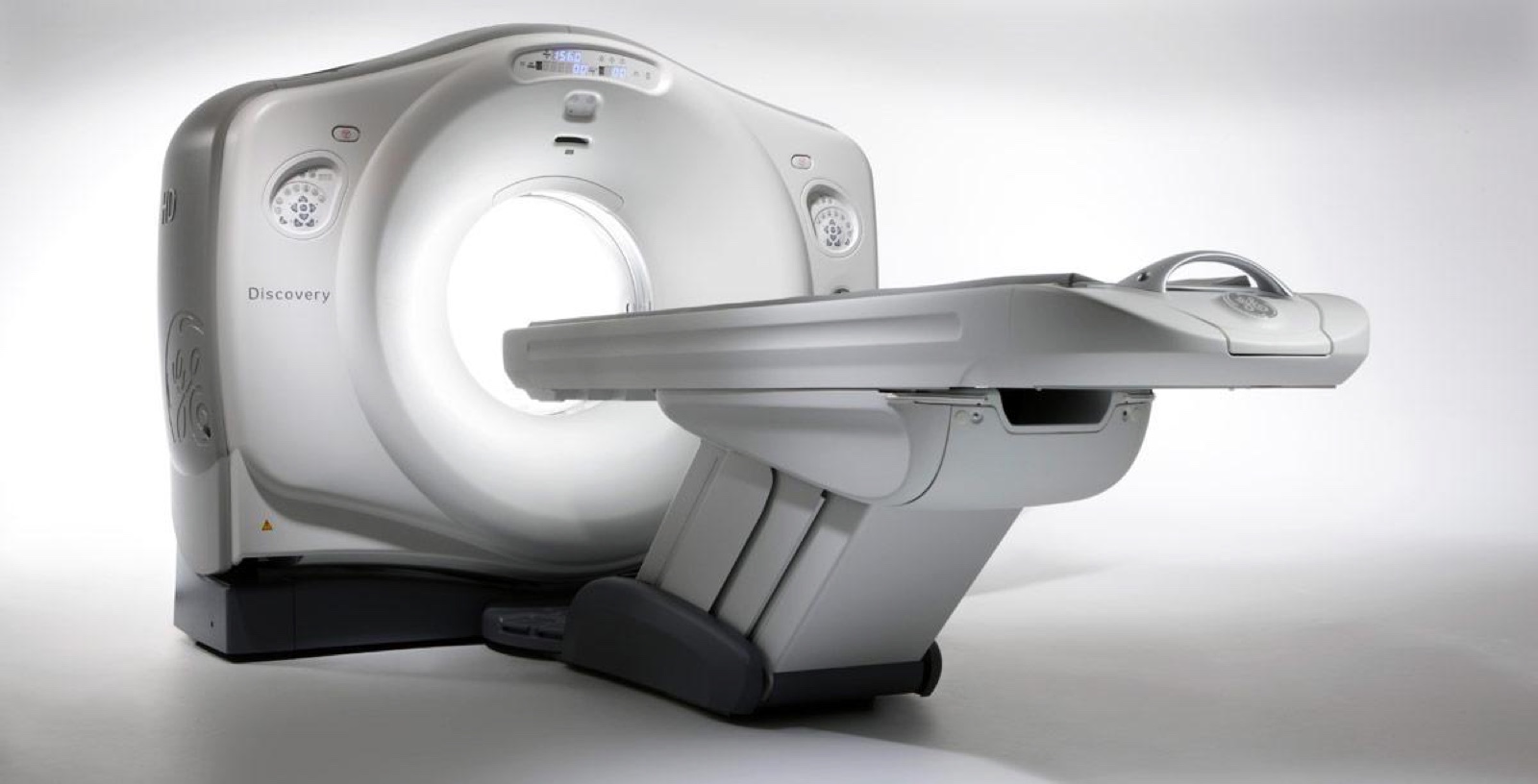
Practical considerations, risk points, and what to ask before you buy, service, move, or maintain imaging equipment.
If you’ve invested in a refurbished CT or MRI scanner, you already understand the value of buying smart. But the purchase is only the beginning. What happens after installation — specifically, how well you maintain that system — determines whether it serves your facility reliably for a decade or becomes a source of constant headaches.
Preventive maintenance (PM) is the backbone of any imaging equipment strategy. Yet many buyers, especially first-time owners or smaller clinics, underestimate what PM involves or skip it entirely to save money. That’s almost always a costly mistake.
Here’s what you need to know about preventive maintenance for CT and MRI scanners — what it includes, how often it should happen, and why it’s one of the best investments you can make.
What Is Preventive Maintenance for Imaging Equipment?
Preventive maintenance refers to scheduled inspections, calibrations, and component checks designed to catch problems before they cause downtime. Unlike reactive service calls — where a technician shows up after something breaks — PM is proactive. It keeps your scanner running within manufacturer specifications and helps you avoid the kind of failures that shut down a department for days.
For CT and MRI systems, PM is not optional. These are complex machines with moving parts, high-voltage components, cryogenic systems (MRI), and sensitive detectors that degrade over time. Regular maintenance extends the life of every major subsystem.
What Does CT Scanner Preventive Maintenance Include?
A thorough CT preventive maintenance visit typically covers:
- X-ray tube assessment — Monitoring tube hours, heat load cycles, and anode wear. The tube is the most expensive consumable on a CT scanner, and catching degradation early lets you plan replacements instead of facing emergency downtime.
- Detector calibration — Ensuring image quality stays consistent. Detectors drift over time, and uncalibrated detectors produce artifacts that can affect diagnostic accuracy.
- Gantry and mechanical inspection — Checking bearings, slip rings, and rotation components for wear. A gantry failure is one of the most disruptive events a CT system can experience.
- Software and firmware checks — Verifying system software is functioning properly and applying patches when available.
- Cooling system inspection — CT scanners generate significant heat. Coolant levels, chiller performance, and airflow all need regular verification.
- Electrical safety checks — Testing power supplies, grounding, and circuit integrity to ensure patient and operator safety.
- Image quality testing — Running phantom scans to verify that the system meets diagnostic standards for resolution, noise, and contrast.
Most CT systems should receive PM quarterly, though high-volume facilities may benefit from more frequent visits.
What Does MRI Preventive Maintenance Include?
MRI maintenance has its own unique requirements, largely driven by the superconducting magnet and RF systems:
- Cryogen level monitoring — Liquid helium keeps the magnet at operating temperature. If helium levels drop too low, you risk a quench — an uncontrolled boil-off that can take the system offline for weeks and cost tens of thousands of dollars. Some newer systems use zero-boil-off technology, but even these need monitoring.
- Cold head and compressor inspection — The cold head recondenses helium vapor, and the compressor drives the cooling cycle. These components have defined service intervals and failing to maintain them is one of the leading causes of MRI downtime.
- Gradient coil and amplifier checks — Gradients are the workhorses of MRI image formation. Overheating, acoustic noise changes, or performance drops can signal issues that worsen quickly without attention.
- RF coil inspection — Surface coils and body coils degrade with use. Damaged or poorly performing coils reduce image quality and can lead to misdiagnosis.
- Shim and homogeneity verification — The magnetic field must be precisely uniform. Shimming checks ensure the field hasn’t drifted, which can happen due to environmental changes or component aging.
- Patient table and positioning system — Mechanical components that move patients into the bore need regular lubrication and alignment checks.
- ACR or manufacturer phantom testing — Standardized image quality assessments that verify the system meets accreditation requirements.
MRI systems typically need PM at least twice per year, with cryogen and cold head checks happening more frequently — sometimes monthly, depending on the system.
Why Skipping PM Costs More Than You Think
The math is straightforward: a PM visit might cost a few thousand dollars. An emergency tube replacement on a CT scanner can run $80,000 to $150,000. A quench event on an MRI can cost $30,000 or more just in helium, plus weeks of lost revenue.
Beyond the direct repair costs, unplanned downtime means:
- Lost patient revenue — Every day your scanner is down is a day you’re not billing for exams. For a busy CT scanner, that can be $5,000 to $15,000 per day in lost revenue.
- Referring physician confidence — Doctors send patients to facilities they can rely on. Frequent cancellations due to equipment issues erode those relationships.
- Staff disruption — Technologists sitting idle, rescheduling headaches, and the operational chaos of an unexpected shutdown all carry real costs.
- Shortened equipment lifespan — Systems that aren’t maintained regularly fail sooner. A well-maintained refurbished CT scanner can run 8 to 12 years. A neglected one might give you half that.
PM-Only Contracts vs. Full Service Agreements
When you’re setting up maintenance for a refurbished system, you’ll typically choose between:
- PM-only contracts — Cover scheduled preventive maintenance visits. Parts and emergency repairs are billed separately. Best for facilities with some in-house biomed capability or those on a tight budget who want to cover the basics.
- Full-service contracts — Include PM plus all parts and labor for repairs. Typically the most predictable option from a budgeting standpoint. You pay a fixed annual fee and don’t worry about surprise repair bills.
- Time and materials (T&M) — No contract at all. You call when something breaks and pay per visit. This can work for newer systems still under warranty, but it’s risky for older equipment.
The right choice depends on your system’s age, your risk tolerance, and your budget. But regardless of which path you choose, the PM component should never be the thing you cut.
What to Look for in a PM Provider
Not all service providers are equal. When evaluating who should maintain your CT or MRI scanner, ask:
- Do they have OEM-trained engineers? Experience with your specific platform (GE, Siemens, Philips) matters. A GE LightSpeed CT and a Siemens SOMATOM are fundamentally different machines.
- Do they stock parts? A provider with an in-house parts inventory can resolve issues during a PM visit instead of ordering parts and scheduling a return trip.
- What’s their response time for emergencies? PM reduces emergencies, but doesn’t eliminate them. You want a partner who can respond within 24 hours when something goes wrong.
- Do they provide documentation? Every PM visit should produce a detailed report covering what was inspected, what was found, and any recommended follow-up. This documentation supports accreditation and helps you plan capital expenses.
- Are they independent or OEM? Independent service organizations (ISOs) like Medical Imaging Specialists often provide the same quality of service at significantly lower cost than OEM contracts. The key is experience and parts access.
Build PM Into Your Ownership Strategy From Day One
The best time to set up a preventive maintenance program is before your system goes live. Work with your equipment provider to establish a PM schedule during installation, and make sure your first visit is on the calendar before you scan your first patient.
If you’re buying a refurbished system, ask your vendor what PM support they offer. A good vendor won’t just sell you a scanner and disappear — they’ll help you protect that investment for years to come.
Ready to Talk Maintenance?
Whether you’re purchasing your first refurbished CT or MRI scanner or looking for better service support on a system you already own, Medical Imaging Specialists can help. We sell, install, and service refurbished imaging equipment across the US, Caribbean, and Latin America — and we believe that great service starts before the sale and continues long after.
Contact Medical Imaging Specialists to discuss a preventive maintenance plan tailored to your facility and equipment.
Related Reading
- Read next: Maximize Uptime Refurbished Imaging Equipment
- Read next: Medical Imaging Service Contracts
Talk Through Your Next Imaging Project
If you are evaluating refurbished imaging equipment, planning a service strategy, or trying to keep an aging scanner productive, Medical Imaging Specialists can help. Contact MIS through the website and tell us what system you are working with.
Need help with this exact problem?
Send the modality, site location, timeline, and any system details. MIS will route the request by intent.
Related resources
Ops Playbook
Emergency CT Scanner Repair: What to Do When It Fails
CT scanner down? Use this emergency repair checklist to document the fault, protect workflow, and route service or parts faster.
Ops Playbook
PET/CT Scanner Site Requirements Before You Buy
Before buying a PET/CT scanner, review room layout, shielding, power, HVAC, rigging, workflow, connectivity, service access, and replacement timing.
Ops Playbook
X-Ray Equipment Lifespan, Maintenance, and Cost Factors
X-ray equipment lifespan depends on tube, detector, generator, software, PM history, parts access, uptime needs, and replacement timing.