
Vendor Vetting
How to Evaluate a Refurbished Medical Imaging System Before You Buy
March 28, 2026 · 6 min · Medical Imaging Specialists
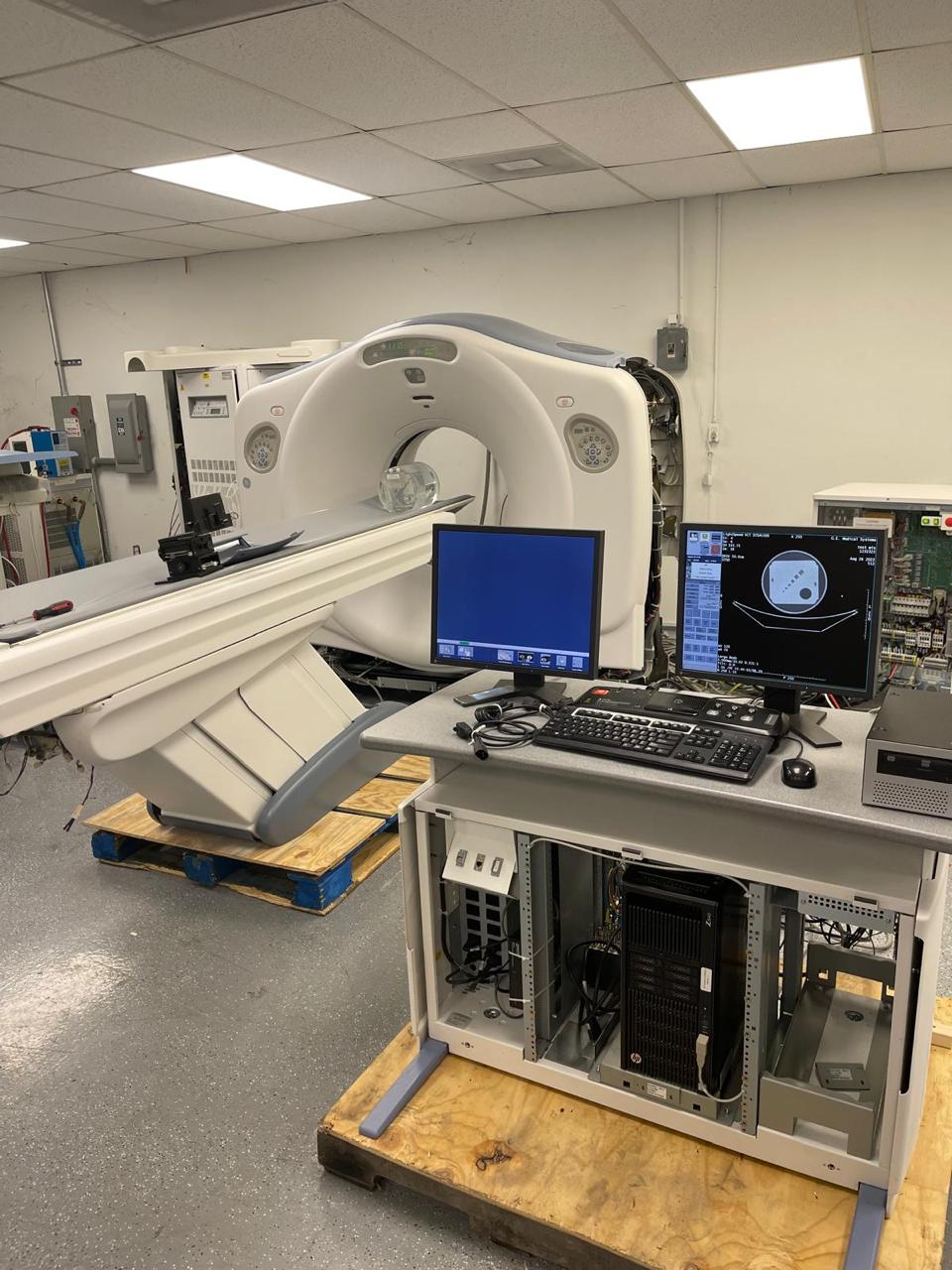
Practical considerations, risk points, and what to ask before you buy, service, move, or maintain imaging equipment.
Buying a refurbished medical imaging system is one of the largest capital decisions a facility will make. Done right, a refurbished CT, MRI, or PET/CT can deliver years of reliable clinical performance at a fraction of the cost of new iron. Done wrong, it becomes a money pit — plagued by downtime, expensive parts failures, and vendor finger-pointing.
The difference almost always comes down to how thoroughly the system was evaluated before the purchase order was signed.
This guide walks you through exactly how to evaluate a refurbished medical imaging system the way experienced buyers do — step by step, with no shortcuts.
Start With the System’s History
Every imaging system has a history. Your job as a buyer is to uncover it.
Key documents to request:
- Service history logs — How often was the system down? What major components were replaced? Look for patterns: repeated failures on the same subsystem are a warning sign.
- Uptime reports — A well-maintained clinical system should have been running reliably. If the seller can’t produce this data, ask why.
- Previous site conditions — Temperature, humidity, and power quality in the prior installation directly affect component life. A system pulled from a climate-controlled academic center is a different animal than one that ran in a poorly air-conditioned clinic in a hot climate.
- Software version and patch level — Know what you’re getting. Some older software revisions are no longer supported by the OEM, which limits your upgrade path and support options.
If the seller won’t or can’t share this documentation, treat that as a red flag.
Verify the Refurbishment Scope — In Writing
“Refurbished” means very different things depending on who’s selling. Some vendors do a full mechanical, electrical, and cosmetic overhaul. Others wipe down the panels, run a few self-tests, and call it a day.
Ask the seller to provide a written refurbishment checklist that includes:
- Which components were replaced vs. inspected and reused
- Whether the system was tested under load (not just powered on)
- X-ray tube hours (for CT systems) — and whether the tube was replaced
- Gradient coil condition and helium level (for MRI systems)
- Detector array inspection and any pixel mapping corrections
- Any known deficiencies or deferred repairs
A reputable refurbisher will have this documentation ready. If you’re getting vague answers like “we went through it thoroughly,” push harder or walk away.
Inspect the System in Person — or Send Someone Who Can
Never buy a refurbished imaging system sight unseen if you can avoid it. A live, in-person inspection at the vendor’s facility — or at the system’s current location — is worth the travel cost.
What to look for during the physical inspection:
- Cosmetic condition: Cracked gantry panels, corroded hardware, and damaged cabling aren’t just aesthetic problems — they point to how the system was handled and maintained.
- Gantry rotation and table movement: Both should be smooth and quiet. Grinding, vibration, or hesitation can indicate bearing wear.
- Console functionality: Sit down at the console. Navigate through acquisition modes. Check that reconstruction times are where they should be for the platform.
- Image quality phantom run: Ask the vendor to run a standardized phantom scan or MRI phantom sequence while you’re there. Review the images yourself.
- Cable management: Disorganized or spliced cables inside the equipment room are a sign of deferred maintenance.
If you can’t be there in person, hire an independent biomedical engineer or service company to do a site inspection on your behalf. A few hundred dollars in inspection fees can save you from a six-figure mistake.
Confirm Parts Availability for That Platform
A system is only as good as your ability to keep it running. Before you commit, verify that the parts ecosystem for your specific model is healthy.
Questions to ask:
- Is this system still supported by the OEM — and if not, are there independent service organizations (ISOs) with strong parts inventory for this platform?
- What are the lead times on high-wear consumables: X-ray tubes, detector modules, RF coils?
- Are replacement parts readily available domestically, or will you be waiting on international shipments?
- Does the seller offer any parts support post-sale, or are you fully on your own?
For CT systems, tube cost and availability is often the single biggest ongoing expense. A 64-slice system with a mature parts market is almost always a safer bet than an exotic configuration with scarce replacement components.
Evaluate the Warranty and Post-Sale Support
What happens after the system ships? This is where many buyers get caught flat-footed.
Look for:
- Warranty terms in writing — Duration, what’s covered, what’s excluded. “90-day warranty” means very different things depending on whether it covers parts only, or parts and labor.
- Response time commitments — How quickly will a technician be on-site if something fails during installation or early operation?
- Installation support — Does the seller handle de-installation, crating, shipping, and re-installation, or are you arranging that separately? Who bears responsibility if the system is damaged in transit?
- Application training — Particularly for upgraded or unfamiliar software revisions, is operator training included or available?
A vendor who’s confident in what they’re selling will stand behind it with clear warranty terms. Vague language like “we’ll take care of you” isn’t a warranty — it’s a handshake that won’t hold up when you need it.
Run the Numbers on Total Cost of Ownership
The purchase price is only part of the equation. Before signing, model out your total cost of ownership (TCO) over five years:
- Annual service contract or expected T&M spend
- Projected tube replacement cost and cycle (for CT)
- Facility costs: power, cooling, helium fills (MRI)
- Downtime risk and its revenue impact
- Upgrade or software licensing fees
A system that looks like a deal at $400,000 may cost more in the long run than a better-refurbished alternative at $475,000. The math matters.
Work With a Vendor Who Does This Every Day
Evaluating a refurbished imaging system properly takes expertise, access, and time. The best protection a buyer has is working with a vendor who is transparent, experienced, and accountable — not a broker who’s just moving iron.
Medical Imaging Specialists (MIS) has been buying, refurbishing, and reselling CT, PET/CT, and MRI systems since 2004. Based in Bradenton, Florida, we do this work in-house — with our own engineers, our own parts inventory, and our own service team. We serve hospitals, outpatient centers, and imaging facilities across the United States, Caribbean, and Latin America.
When you buy from MIS, you get complete documentation, a transparent refurbishment scope, and a team that stays engaged after the sale. If you’re evaluating a refurbished imaging system — or want us to help you evaluate one from another source — reach out. We’re happy to talk through what you’re looking at.
Contact Medical Imaging Specialists at medicalimaging-specialists.com or call us directly to speak with someone who knows these systems inside and out.
Medical Imaging Specialists | Bradenton, Florida | Refurbished CT, PET/CT & MRI Systems | Sales, Service & Parts Since 2004
Related Reading
- Read next: What Does Refurbished Mean Medical Imaging Equipment
- Read next: How To Choose Refurbished Medical Imaging Equipment Vendor
Talk Through Your Next Imaging Project
If you are evaluating refurbished imaging equipment, planning a service strategy, or trying to keep an aging scanner productive, Medical Imaging Specialists can help. Contact MIS through the website and tell us what system you are working with.
Need help with this exact problem?
Send the modality, site location, timeline, and any system details. MIS will route the request by intent.
Related resources
Vendor Vetting
What Certifications Come With Used Medical Equipment?
Used imaging equipment should come with clear system records, test documentation, and compliance paperwork buyers can verify before purchase.
Vendor Vetting
Can an Independent Service Provider Service Imaging Equipment?
Can an independent service provider service CT, MRI, PET/CT, or X-ray equipment? Yes, if the scope, training, parts, and documentation fit.
Vendor Vetting
Do Refurbished CT Scanners Need OEM Service Plans?
Do refurbished CT scanners need OEM service? Not always. What matters is qualified support, parts access, documentation, and uptime risk.