
Buyer's Desk
What Affects Used Medical Imaging Equipment Resale Value?
May 15, 2026 · 6 min · Medical Imaging Specialists
Practical considerations, risk points, and what to ask before you buy, service, move, or maintain imaging equipment.
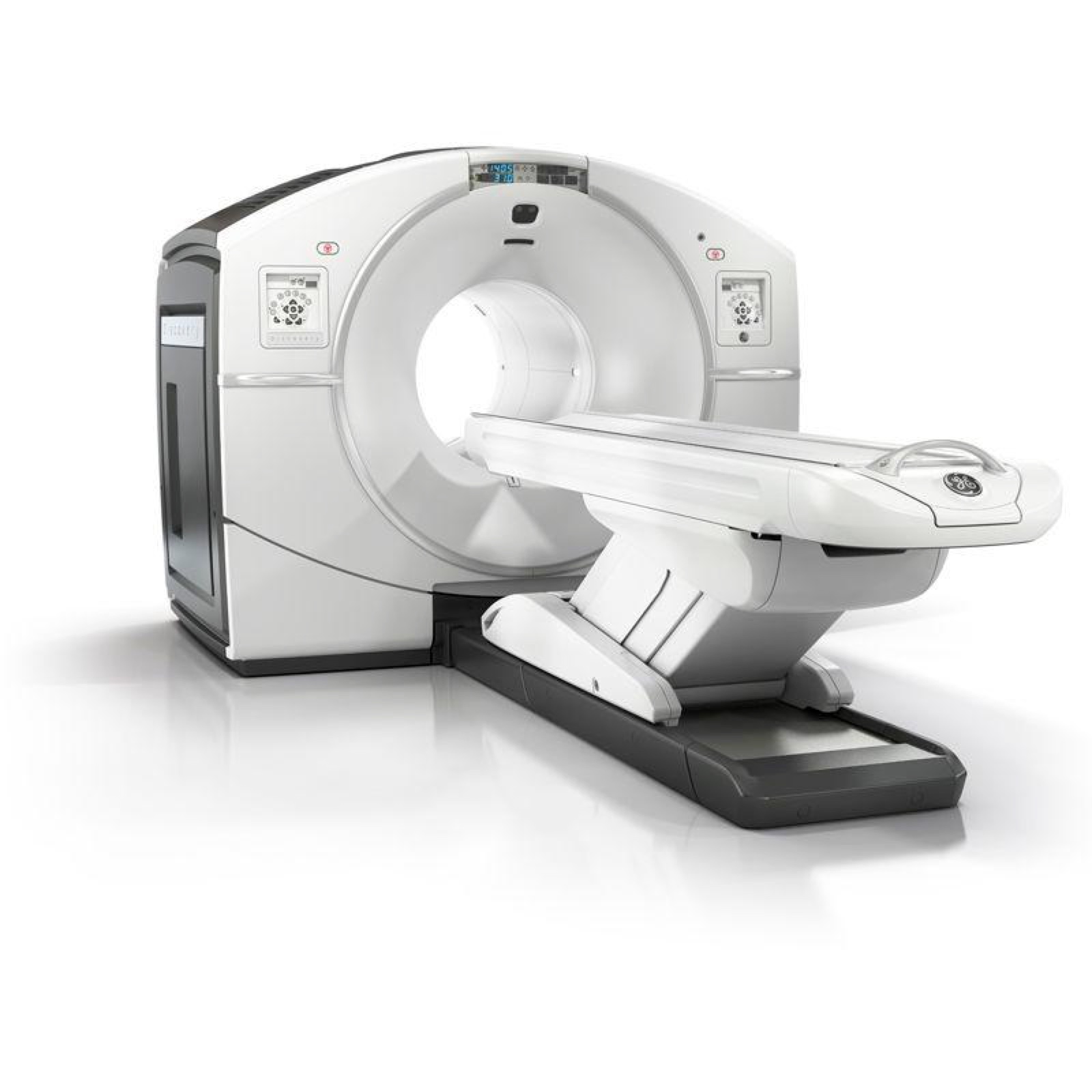
The resale value of used medical imaging equipment depends on the modality, manufacturer, model, configuration, age, operating condition, service history, included accessories, parts availability, buyer demand, location, and deinstallation or rigging requirements. A documented, complete, supportable system that is easier to remove is usually easier to evaluate and may attract stronger buyer interest than a system with missing records, unknown issues, or complex removal constraints.
That is the short answer. The practical answer is that a CT scanner, MRI, PET/CT, X-ray room, C-arm, ultrasound system, or DEXA unit carries clinical utility, service risk, parts value, logistics cost, software limitations, and site constraints all at once.
Why resale value varies so much
Two systems with the same manufacturer badge can have very different resale value. A complete, running 64-slice CT with service records, known tube usage, clean photos, and an easy dock-level removal is a different asset than a similar CT with missing records, unknown errors, no workstation, and a forced removal deadline.
Modality matters first. MRI and CT attract different buyer pools than ultrasound or X-ray. PET/CT value is affected by both the PET detector chain and the CT base. Cath lab and C-arm value can depend heavily on detector condition, software, generator status, and clinical application.
Manufacturer and model matter next. Major platforms each have their own used-market demand, service ecosystem, parts availability, and export interest. A model with a deep install base is usually easier to place than an orphaned platform with limited service options.
Configuration is where many sellers lose detail. Slice count, software level, detector type, coils, tables, workstations, injectors, chiller, UPS, and accessory packages can all change the value discussion. If you are replacing a CT, MIS’s guide on what to look for when buying a used CT scanner explains the same factors buyers will evaluate.
Condition, records, and completeness drive confidence
Buyers pay for usable assets, not guesses. The more uncertainty around a system, the more conservative the valuation becomes.
Operating condition is the first question. Is the system currently scanning patients? Was it recently removed from service? Is it down with a known fault? Has it been powered off for months? A running system can often be inspected, photographed, tested, and documented. A non-running system may still have value, but the conversation shifts toward repair risk, parts value, or limited buyer demand.
Service history matters because it helps separate normal wear from unknown risk. Preventive maintenance records, recent corrective service reports, tube or detector replacement documentation, coil history, helium and chiller history for MRI, and uptime/error notes all help a buyer understand what they are evaluating. A system with organized records is simply easier to trust.
Completeness matters too. Missing coils weaken MRI value. Missing workstations change CT or PET/CT economics. Missing detector panels can turn an X-ray room from a usable system into a parts project. Missing accessories should be disclosed early so the buyer can price the system honestly.
If uptime is the reason for replacement, read when to replace vs. repair a CT or MRI scanner. The same operational issues often shape resale value.
Market demand and supportability matter
Used imaging equipment is only worth what the next practical user can support. A high-spec system with poor parts availability may be harder to sell than a slightly older workhorse with a strong service ecosystem.
Buyer demand changes by modality, geography, and use case. Outpatient centers may want predictable CT and MRI platforms with manageable siting and service costs. International buyers may prioritize rugged, supportable systems with parts depth. Mobile imaging programs may need specific trailer-compatible configurations.
Parts availability is a major factor. If tubes, detectors, boards, coils, chillers, monitors, and common failure parts are available through reputable channels, buyers can plan around the asset. If critical parts are scarce, expensive, or locked behind limited support, value can fall quickly.
Service availability matters for the same reason. A system that can be supported by qualified engineers and parts inventory has a stronger path to continued use. That is why MIS connects resale conversations with medical imaging equipment parts and service support, not just purchase price.
Do not use online asking prices as your only benchmark. Listings show what someone hopes to get. Actual sale value depends on condition, configuration, timing, removal cost, and buyer demand.
Site access and deinstallation can change the net value
A system’s gross value and net value are not the same thing. Removal can change the economics fast.
For CT, PET/CT, X-ray, and cath lab equipment, site access questions include room layout, door widths, hallway turns, elevator capacity, dock access, floor level, ceiling height, truck access, and whether rigging is required. Tight clinical access and hard deadlines increase cost and risk.
MRI adds another layer. Magnet condition, ramp-down requirements, cryogen planning, quench pipe status, transport method, and access path all affect the project. The goal is to preserve resale value while removing the equipment safely and professionally.
If you are planning a removal, MIS’s guide to medical imaging equipment deinstallation, shipping, and installation is a useful starting point. Waiting until construction, lease termination, or replacement delivery creates a forced removal date almost always weakens seller leverage.
What to send before asking for a valuation
The fastest way to get a useful resale review is to send complete information up front. Send this checklist when available:
- Modality, manufacturer, model, and serial number
- Year of manufacture or installation, if known
- Current operating status and known issues
- Software level, options, slice count, detector details, or field strength where relevant
- Tube, detector, coil, chiller, workstation, table, and accessory details
- Recent service and preventive maintenance records
- Photos of the system, labels, console, accessories, room, and access path
- Site address, floor level, dock/elevator access, and removal deadline
- Whether you want to sell, trade in, relocate, repair, part out, or replace the system
This does not guarantee a purchase offer, but it helps the right team decide whether the system is a resale, trade-in, parts, or removal-only candidate.
Common mistakes that weaken seller leverage
The first mistake is assuming every used imaging system has strong resale value. Some do. Some are better suited for parts. Some cost more to remove than they can recover. It is better to know early than to build a replacement plan around a bad assumption.
The second mistake is hiding problems. If the tube is failing, the detector has artifacts, the MRI has chiller issues, or a workstation is missing, say so. Serious buyers will find out during inspection anyway.
The third mistake is separating the sale from the removal plan. A good resale plan considers value, logistics, schedule, and replacement equipment together.
For facilities replacing equipment, MIS can review sale, trade-in, deinstallation, parts, service, leasing, and replacement options together. If you are buying next, start with refurbished medical imaging equipment or request a project review through the quote page.
FAQ
What is my used MRI worth?
Used MRI value depends on field strength, manufacturer, model, bore size, software, coils, magnet condition, service history, helium and chiller status, buyer demand, and removal complexity. A running, complete, documented MRI with a manageable access path is easier to evaluate than a powered-down magnet with missing records.
How much is a used CT scanner worth?
A used CT scanner’s value depends on slice count, manufacturer, model, tube status, detector condition, software, table and console condition, service history, parts availability, and whether the system is still operating. Tube life and detector health are especially important.
Does deinstallation affect resale value?
Yes. A system that can be professionally removed, protected, crated, and shipped without excessive risk is more attractive than one with difficult access, missing planning details, or a forced deadline. Poor deinstallation can damage equipment and reduce resale value.
Can I sell imaging equipment that is not currently running?
Often, yes, but the value may be lower and the buyer pool may be smaller. Non-running equipment may still have value for repair, refurbishment, export, or parts, depending on the model and failure mode.
What photos should I send before requesting a valuation?
Send photos of the full system, labels, serial plates, console screens, accessories, coils or detectors, equipment room, access path, dock, and any visible damage or error messages.
Schema recommendation
Use Article or BlogPosting schema, plus FAQPage schema for the FAQ section. Consider Service schema only on dedicated sell-your-equipment, deinstallation, or service pages if accurate. Do not use Product schema unless the page is tied to a specific available equipment listing.
Selling or replacing imaging equipment? Send MIS the modality, manufacturer, model, serial number, configuration, photos, accessories, service history, current operating status, location, and removal deadline through the contact page or request a quote so the team can help evaluate sale, trade-in, deinstallation, parts, service, or replacement options.
Need help with this exact problem?
Send the modality, site location, timeline, and any system details. MIS will route the request by intent.
Related resources
Ops Playbook
How to Deinstall and Sell Medical Imaging Equipment Safely
Selling imaging equipment? Gather system details, service history, photos, access constraints, and removal timing before deinstall.
Buyer's Desk
What Questions Should You Ask Before Buying a Used MRI?
Before buying a used MRI, ask these equipment, service, site, logistics, parts, and quote questions to avoid expensive surprises.
Buyer's Desk
What to Look for When Buying a Used CT Scanner
Buying a used CT scanner? Check tube life, service history, parts support, site fit, software, installation scope, and post-sale service.