
Buyer's Desk
What Questions Should You Ask Before Buying a Used MRI?
May 12, 2026 · 6 min · Medical Imaging Specialists
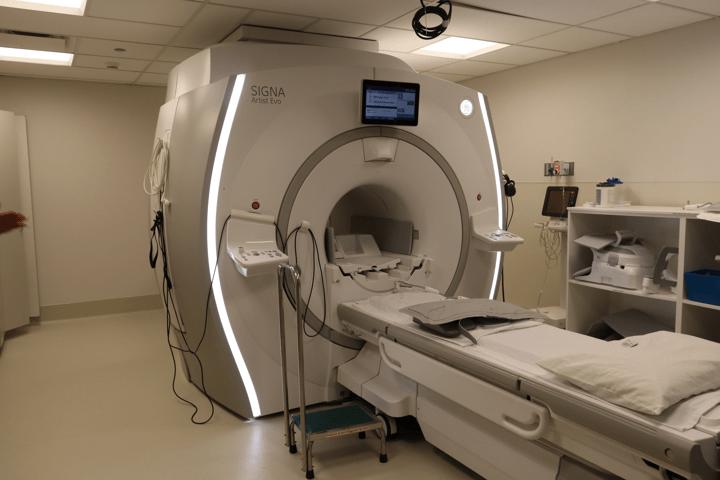
Practical considerations, risk points, and what to ask before you buy, service, move, or maintain imaging equipment.
Before buying a used MRI machine, ask about the exact make, model, field strength, bore size, software level, coil package, service history, current operating status, magnet condition, chiller and HVAC needs, site requirements, deinstallation plan, rigging path, transportation scope, parts availability, service support, and what is actually included in the quote. A reliable seller should help confirm whether the MRI fits your clinical use, room, budget, timeline, and long-term support plan before you commit.
The cheapest MRI on paper can become the most expensive MRI in the project if those questions are skipped.
Why used MRI due diligence matters
A used MRI purchase is not just an equipment purchase. It is a magnet project, a site project, a service project, and often a logistics project tied together.
Start with the clinical plan. Neuro, MSK, body, breast, oncology, pediatrics, orthopedic referrals, or routine outpatient work all point to different needs. Then match that use case to field strength, bore size, coils, software, serviceability, and site readiness.
If you are comparing platforms, MIS has deeper resources in the refurbished MRI scanner buying guide, the 1.5T vs 3T MRI field strength guide, and current MRI equipment options.
Core equipment questions to ask first
Do not accept a vague description like “GE 1.5T MRI available” as enough information. That is a starting point, not a buying file.
Ask for the exact manufacturer, model, serial number if available, software level, field strength, bore size, gradient package, RF channel configuration, coil list, table configuration, workstation details, accessories, and current location. If the seller cannot clearly document the configuration, slow down.
For MRI, the coil package is especially important. A system without the right coils may technically be functional but clinically limited. Ask which coils are included, whether they have been tested, and whether expected coils are missing, damaged, or quoted separately.
Also ask what applications and options are enabled. Two scanners with the same model name can have different clinical capabilities. The right question is not “Is it a good MRI?” It is: “Is this exact configuration right for our scan mix, site, and support model?”
Condition and service-history questions
A used MRI can look clean in photos and still carry risk. Ask whether the system is currently installed and scanning, whether it can be inspected under power, and whether recent images, error logs, or service notes are available.
Request service history when possible: preventive maintenance records, major repairs, magnet events, chiller problems, coil failures, table issues, software updates, and known open problems. Not every used system will have perfect documentation, but a seller should be direct about what is known and what is not.
Ask whether the magnet is cold, ramped, shimmed, stable, and operating within expected parameters. If the magnet has been ramped down, stored, moved, or held in a nonstandard condition, the project needs a more careful technical review.
Cooling and environmental support matter too. Chiller condition, HVAC capacity, water quality, power quality, and room environment can all affect performance. For ownership planning, also read how often medical imaging equipment should be serviced and MIS service support.
Site-planning questions before you buy
MRI site planning is where many used-equipment projects get expensive. Before buying, ask whether your room can support the system you are considering.
Key questions include:
- Does the magnet room size match the system footprint and service clearances?
- Does the RF shielding meet the project requirements?
- Is power adequate for the MRI, chiller, HVAC, and support equipment?
- Is there a valid quench pipe path if the system is superconducting?
- Can the chiller be located and serviced properly?
- Is the floor loading acceptable?
- Is the access path large enough for delivery and rigging?
- Are there elevators, turns, curbs, doors, or structural issues in the path?
None of this should be guessed from a brochure. Site drawings, project review, manufacturer guidance, qualified contractors, and experienced MRI installers all matter. For a deeper planning pass, use the MRI site planning guide before committing to a room or scanner.
Deinstallation, rigging, and transportation questions
A used MRI deal is only real if the system can be removed, moved, and installed safely. Ask who is responsible for disconnect, deinstallation, ramp-down if needed, rigging, crating, loading, transportation, insurance, storage, delivery, ramp-up, installation, and applications support.
That scope should be written clearly. “Buyer handles removal” can mean a lot of things, and each missing line item can become a change order.
Ask whether the system is on grade or above grade, whether crane work is required, whether walls or glass need to come out, whether the magnet has a clear path, and whether the destination site is ready to receive it. For sellers and replacement projects, MIS covers the other side of the transaction in how to sell a used MRI machine.
Quote and support questions
Once the system checks out technically, make the quote boringly specific. Ask what is included and excluded.
A useful MRI quote should clarify the equipment configuration, included coils and accessories, deinstallation scope, freight, installation support, applications training if offered, warranty or service terms if any, payment milestones, timeline assumptions, and site responsibilities. If something is not written down, assume it is not included.
Ask about parts availability and service coverage before you buy. MIS supports equipment, medical imaging parts, service agreements, and project-based service planning because those pieces are connected in real operations.
Also ask what happens after installation. Who responds when the system faults? Who supports coils, coldhead, chiller, table, gradients, RF issues, and software problems? What preventive maintenance schedule is recommended? The answer does not need to be complicated. It does need to be clear.
Red flags when evaluating a used MRI
Walk carefully if the seller cannot provide exact model details, avoids configuration questions, has no realistic deinstallation plan, claims universal clinical suitability, or promises uptime without knowing your site and service plan.
Other red flags include missing coil details, unclear software/options, no current operating status, vague warranty language, unsupported “like new” claims, pressure to buy before inspection, and quotes that leave logistics out entirely.
What to send MIS before requesting a used MRI quote
If you want a useful quote, send more than “How much for an MRI?” Send MIS:
- Target modality and field strength: open MRI, 1.5T, or 3T
- Preferred manufacturer or model, if any
- Clinical use case and expected scan mix
- Facility location and installation timeline
- Room status, drawings, or photos if available
- Access-path notes and known rigging constraints
- Budget range and purchase, lease, or mobile preference
- Whether service, parts, installation, or applications support should be included
- If evaluating a specific used MRI: model, serial number, current location, photos, and known configuration
That gives the team enough context to separate a good-looking listing from a good project fit.
FAQ
How much does a used MRI machine cost?
Used MRI cost depends on field strength, bore size, manufacturer, model, age, software, coils, condition, deinstallation scope, installation needs, service support, and site readiness. Compare the full installed and supported cost, not just the scanner price.
Is refurbished MRI better than used as-is MRI?
Often, yes. “Used as-is” usually means the buyer accepts more inspection, parts, service, and installation risk. A properly refurbished MRI should come with clearer testing, configuration review, repair of known issues, and a support path.
Do used MRI machines need a service contract?
Most facilities should plan some form of service support, whether that is a full service agreement, preventive maintenance plan, time-and-materials support, or a hybrid. MRI downtime is expensive, and the response plan should exist before the first patient is scheduled.
What site requirements matter most before buying an MRI?
Room size, RF shielding, power, HVAC, chiller support, quench path for superconducting magnets, floor loading, access path, and service clearances are the big items. Final requirements should be reviewed with qualified site planners, contractors, installers, and manufacturer/project documentation.
Schema recommendation
Use Article or BlogPosting schema for the post, FAQPage schema for the FAQ section, and BreadcrumbList for navigation. Use Product schema only on specific MRI listing pages with accurate model, availability, configuration, and pricing details.
Looking at a used MRI? Send MIS the model, current location, target clinical use, site status, timeline, and budget. Start with current MRI systems, request a quote, or contact MIS before you commit to a scanner that may not fit the project.
Need help with this exact problem?
Send the modality, site location, timeline, and any system details. MIS will route the request by intent.
Related resources
Ops Playbook
PET/CT Scanner Site Requirements Before You Buy
Before buying a PET/CT scanner, review room layout, shielding, power, HVAC, rigging, workflow, connectivity, service access, and replacement timing.
Ops Playbook
X-Ray Equipment Lifespan, Maintenance, and Cost Factors
X-ray equipment lifespan depends on tube, detector, generator, software, PM history, parts access, uptime needs, and replacement timing.
Buyer's Desk
What Affects Used Medical Imaging Equipment Resale Value?
Used imaging equipment resale value depends on model, condition, records, accessories, demand, supportability, and removal complexity.