
Ops Playbook
What Is Included in a CT Preventive Maintenance Visit?
May 4, 2026 · 5 min · Medical Imaging Specialists
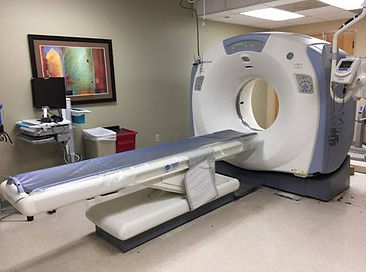
Practical considerations, risk points, and what to ask before you buy, service, move, or maintain imaging equipment.
A CT preventive maintenance visit typically includes a system inspection, safety and operational checks, image-quality review, gantry and table evaluation, cooling and environmental checks, error-log review, basic cleaning or adjustments where appropriate, and a written report with service or parts recommendations. The exact checklist depends on the CT manufacturer, model, age, usage, tube condition, site environment, and service agreement. A good PM visit is not just someone dusting covers and leaving a sticker. It should tell the facility what condition the scanner is in and what risks need attention before they become downtime.
Why CT preventive maintenance matters
A CT scanner is a revenue machine, a clinical workflow bottleneck, and a complex electromechanical system all at once. When it goes down, the problem is rarely just the repair invoice. It is canceled appointments, rescheduled patients, backed-up emergency volume, idle staff, and referring physicians looking for another option.
Preventive maintenance reduces that risk by giving an engineer a scheduled window to inspect the system, review performance, catch early warning signs, and document what should be corrected before the scanner fails during patient hours.
PM does not prevent every failure. Tubes still age. Boards still fail. Cooling systems still develop problems. But regular maintenance usually changes the conversation from “the scanner is down and we need help now” to “we found a developing issue and can plan the next step.”
If you are comparing service coverage, read our guide to medical imaging service contracts before choosing between PM-only, time-and-materials, and full-service support.
What a CT PM visit usually includes
A proper CT PM visit starts with system condition. The engineer should inspect the gantry, table, covers, cables, scan-room condition, operator console, patient accessories, and visible wear points. Loose covers, damaged cable routing, table movement issues, or signs of overheating may not be catastrophic today, but they are not details to ignore.
The gantry and table deserve close attention because CT depends on precise mechanical movement, stable rotation, clean communication, and predictable patient positioning. A PM visit may include table movement checks, gantry function review, visible inspection of accessible assemblies, and confirmation that common operator-facing functions behave as expected.
The engineer should also review system messages and error history. Error logs often tell a better story than memory does. A scanner may still be completing exams while quietly repeating intermittent errors tied to cooling, gantry communication, tube warmups, generator behavior, table movement, or reconstruction workflow.
Image-quality checks are another core piece. The exact procedure depends on the system and manufacturer guidance, but the goal is the same: confirm stable operation and flag calibration or quality-control concerns. PM should not become clinical interpretation or unsupported diagnostic-performance claims. It should verify operational performance within the appropriate service workflow.
Cooling and room conditions matter
CT service problems are not always inside the scanner. The room can create the failure.
Cooling is a common example. CT electronics, computers, gantry components, and supporting equipment all depend on stable environmental conditions. If the scan room is comfortable but the equipment area is running hot, the system may start logging intermittent failures that look like scanner problems until someone checks the environment.
During PM, an engineer should pay attention to temperature, airflow, vents or filters where applicable, equipment-room conditions, visible dust buildup, and site issues that shorten component life.
This is where PM connects to site planning. A CT installed into a marginal room may run, but it may not run reliably. If you are planning a new room or relocation, review our CT scanner site preparation guide before the scanner arrives.
Tube, generator, and high-cost component indicators
The CT tube is usually the cost item everyone worries about, and for good reason. Tube replacement is one of the most expensive events in CT ownership. A PM visit should not promise to predict the exact failure date. Nobody can do that honestly. But it should review tube-related indicators at the level appropriate for the scanner model and service access.
A facility that knows its tube is aging can plan around budget, part availability, and downtime. If tube planning is already on your radar, see our CT X-ray tube replacement cost guide.
What CT preventive maintenance does not guarantee
PM is important, but it is not magic. It does not guarantee zero downtime. It does not replace full troubleshooting after an active fault. It does not make a heavily worn system new again. It also does not eliminate the need for parts, repairs, calibration work, software support, or deeper diagnostics when a specific issue appears.
The best service strategy combines scheduled PM with a clear repair path. Before choosing a provider, ask what happens after the PM report identifies a problem. Can the same team repair the scanner? Do they support your CT brand and model? Do they have parts access? How do they document findings? How quickly can they respond if the scanner goes down later?
MIS supports facilities that need PM, repair planning, parts sourcing, and broader medical imaging service support instead of isolated inspection visits with no follow-through.
How often should a CT scanner receive PM?
There is no responsible one-size-fits-all answer without knowing the scanner and the site. PM cadence depends on manufacturer guidance, model, age, clinical volume, operating environment, prior service history, contract terms, and facility risk tolerance.
The practical answer: follow the appropriate manufacturer and service guidance for the system, then adjust based on real operating conditions. Facilities comparing coverage should also review CT and MRI preventive maintenance checklist considerations.
Signs to schedule CT service before the next PM
Do not wait for the scheduled visit if the scanner is already telling you something is wrong. Recurring errors, failed warmups, image artifacts, unusual gantry or table noises, cooling alarms, intermittent scan interruptions, console warnings, reconstruction delays, or repeated operator workarounds all justify a service conversation.
The most useful service requests include specifics: CT manufacturer and model, serial number if available, site location, symptoms, error codes or screenshots, downtime status, and recent service history.
For parts questions, MIS can also help through the medical imaging parts side of the business. The more context you provide, the less time gets wasted chasing the wrong part number.
Questions to ask a CT PM provider
Before you schedule CT preventive maintenance, ask direct questions:
- Which CT manufacturers and models do you support?
- What is included in the PM checklist for this specific system?
- Will you review error logs and provide written findings?
- How are image-quality checks handled for this model?
- Do you inspect cooling and site conditions, or only the scanner?
- If the PM finds a problem, can you quote and perform the repair?
- Do you have parts access, or do you start searching after the scanner fails?
Those answers will tell you whether the provider is doing real uptime support or just selling a scheduled inspection.
FAQ
How long does a CT preventive maintenance visit take?
It depends on the scanner model, PM scope, site access, system condition, and whether the engineer finds issues that need additional diagnostics.
Does CT PM include replacement parts?
Not always. Some agreements include certain parts by scope; others are PM-only and quote parts separately. Confirm the contract language before assuming parts, labor, or travel are included.
Can third-party service maintain a refurbished CT scanner?
Often, yes, depending on the system, service access, parts availability, and engineer experience. The key is choosing a provider that supports your CT platform and documents the work.
What records should a facility keep after CT maintenance?
Keep PM reports, service recommendations, error-history notes, parts replaced, calibration or image-quality documentation, and follow-up quotes.
What are signs a CT scanner needs service before the next PM?
Recurring errors, cooling alarms, artifacts, table or gantry noise, failed calibrations, scan interruptions, or operator workarounds are all reasons to call before the scheduled PM date.
Schema recommendation
Use Article or BlogPosting schema for the post, FAQPage schema for the FAQ section, and Service schema on the relevant CT service or preventive maintenance landing page when available.
Need CT preventive maintenance, CT scanner service, or help identifying a part? Send MIS the scanner model, site location, current symptoms, error screenshots if available, and service history through the quote request form or contact page. The cleaner the intake, the faster the right service path gets built.
Need help with this exact problem?
Send the modality, site location, timeline, and any system details. MIS will route the request by intent.
Related resources
Ops Playbook
Emergency CT Scanner Repair: What to Do When It Fails
CT scanner down? Use this emergency repair checklist to document the fault, protect workflow, and route service or parts faster.
Ops Playbook
PET/CT Scanner Site Requirements Before You Buy
Before buying a PET/CT scanner, review room layout, shielding, power, HVAC, rigging, workflow, connectivity, service access, and replacement timing.
Ops Playbook
X-Ray Equipment Lifespan, Maintenance, and Cost Factors
X-ray equipment lifespan depends on tube, detector, generator, software, PM history, parts access, uptime needs, and replacement timing.