
Buyer's Desk
When to Replace vs. Repair Your CT or MRI Scanner: A Decision Framework
April 19, 2026 · 6 min · Medical Imaging Specialists
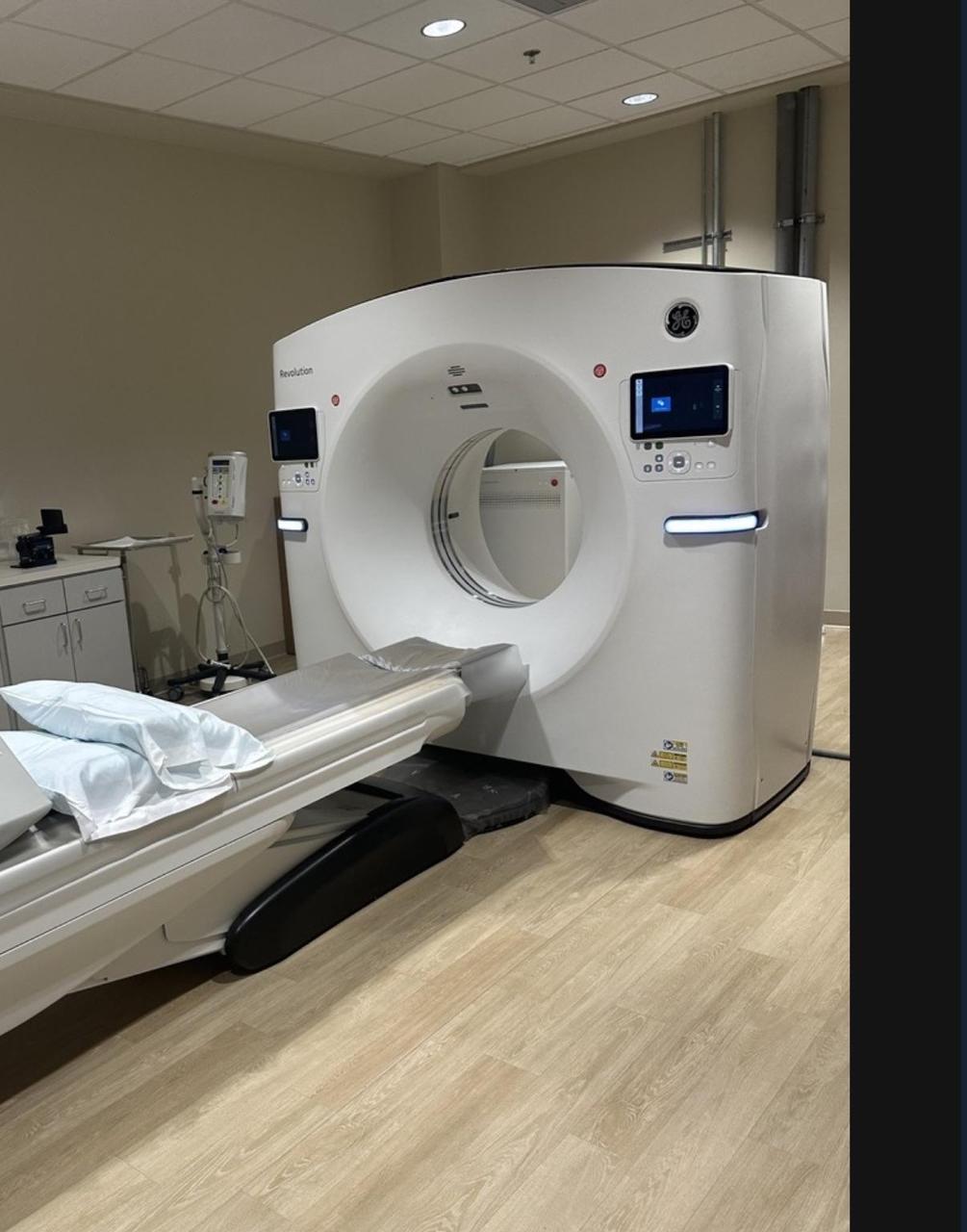
Practical considerations, risk points, and what to ask before you buy, service, move, or maintain imaging equipment.
If you operate a CT or MRI scanner that’s seen better days, you’ve probably asked yourself the same question every facility manager eventually faces: Is it time to replace this system, or can we get more life out of it with another repair?
It’s not always an obvious call. A well-maintained refurbished system can run reliably for years beyond its original expected life. But there’s a tipping point where continued repairs stop making financial sense — and recognizing that tipping point early can save your facility hundreds of thousands of dollars.
Here’s a practical framework to help you decide.
Understand the Life Cycle of Your Imaging Equipment
Every CT and MRI scanner follows a predictable arc. During the first several years, maintenance costs are low, parts are readily available, and the system performs as expected. As the system ages — typically past the 10- to 12-year mark for CT scanners and 12 to 15 years for MRI systems — you start to see a shift.
Repair frequency increases. Parts become harder to source. Software may fall behind current clinical standards. At some point, you cross what engineers call the “maintenance cost curve” — the zone where annual repair spending starts to rival or exceed the cost of financing a replacement system.
Tracking your total annual spend on service, parts, and downtime gives you real data to work with instead of guessing.
The Five Factors That Drive the Replace-or-Repair Decision
1. Annual Repair and Service Costs
This is the most straightforward metric. Add up everything you’ve spent on service calls, parts, labor, and emergency repairs over the past 12 to 24 months. Then compare that figure to the annual cost of a service contract on a newer refurbished system — or the monthly payment on a lease or financing plan for a replacement.
As a general benchmark, if your annual repair costs exceed 15 to 20 percent of the replacement value of a comparable refurbished system, the math is starting to favor replacement.
2. Downtime Frequency and Duration
Downtime is the silent killer of imaging department revenue. Every day your scanner is out of service, you lose patient volume, referring physician confidence, and revenue. For a busy outpatient imaging center running 15 to 20 CT exams per day, even two or three days of unplanned downtime per quarter can translate to $50,000 or more in lost revenue annually.
Ask yourself: How often has the system gone down in the last year? Are the outages getting longer as parts become harder to find? If the trend line is moving in the wrong direction, that’s a strong signal.
3. Parts Availability
This is the factor that catches many facilities off guard. When an OEM discontinues support for a platform, the parts supply chain tightens. Common wear items like X-ray tubes, detectors, gradient amplifiers, and cold heads may still be available through aftermarket suppliers and refurbishment companies — but lead times grow, and prices rise.
If you’re already experiencing multi-week waits for critical components, that’s a red flag. A system with poor parts availability isn’t just expensive to maintain — it’s a liability, because the next failure could result in extended downtime with no clear path to repair.
4. Clinical Capability and Compliance
Technology moves forward, and so do clinical expectations. A 4-slice CT scanner might still produce diagnostic images, but it can’t match the speed, dose efficiency, or advanced applications of a 64-slice or 128-slice system. Similarly, an older 1.5T MRI with limited coil options may not meet the needs of a growing orthopedic or neurological practice.
Regulatory requirements can also be a factor. Some facilities need to meet ACR accreditation standards or comply with payer requirements that mandate specific imaging capabilities. If your current system can’t keep up with clinical demand or accreditation requirements, repair alone won’t close the gap.
5. Resale or Trade-In Value
Imaging equipment depreciates, but it doesn’t go to zero — especially if the system is still operational. A working CT or MRI scanner, even an older one, has value in the secondary market. Components like X-ray tubes, detectors, and coils can be harvested and resold.
The key insight here is that your system’s residual value is a depreciating asset. The longer you wait, the less it’s worth. If you’re leaning toward replacement, acting sooner rather than later can offset part of the cost.
The Hybrid Option: Planned Repair With a Replacement Timeline
Not every decision is binary. Many facilities get the best outcome by choosing a middle path: commit to a defined repair budget for the next 6 to 12 months while actively planning for a replacement.
This approach works especially well when:
- Your current system is still clinically adequate but aging
- A major component (like an X-ray tube) was recently replaced, buying you time
- You need lead time to plan site modifications or secure financing
- You want to align the replacement with a fiscal year or capital budget cycle
The critical piece is setting a ceiling. Decide in advance how much you’re willing to spend on repairs during the bridge period, and stick to it. If a single repair exceeds the ceiling, you’ve found your answer.
How a Refurbished Replacement Changes the Math
One reason facilities delay replacement decisions is sticker shock — they compare repair costs to the price of a brand-new system and decide to keep repairing. But new isn’t the only option.
A quality refurbished CT or MRI scanner can cost 40 to 60 percent less than new, with comparable image quality, updated software, and a warranty. When you run the numbers against a refurbished replacement instead of a new one, the breakeven point arrives much sooner.
For example, if you’re spending $80,000 to $120,000 per year keeping an aging 16-slice CT alive, and a refurbished 64-slice replacement can be financed for $8,000 to $12,000 per month with a service contract included, the financial case becomes clear — and you get a significant clinical upgrade in the process.
Build Your Decision Scorecard
Here’s a simple way to structure the conversation with your team:
- Annual repair cost trend — Stable, rising, or spiking?
- Downtime incidents per quarter — Improving, holding, or worsening?
- Parts lead time for critical components — Days, weeks, or uncertain?
- Clinical adequacy — Meeting current referral and accreditation needs?
- Residual system value — What’s it worth today vs. six months from now?
If three or more of these factors are trending in the wrong direction, it’s time to start shopping — not for another repair, but for a replacement.
Ready to Explore Your Options?
At Medical Imaging Specialists, we’ve spent over 20 years helping facilities navigate exactly this decision. Whether you need an honest assessment of your current system’s remaining life, a quote on a refurbished replacement, or a service plan to bridge the gap, our team can help you build a plan that makes financial and clinical sense.
Based in Bradenton, Florida, we serve hospitals, imaging centers, and clinics across the US, Caribbean, and Latin America with refurbished CT, MRI, and PET/CT systems backed by full service, parts support, and flexible warranties.
Contact Medical Imaging Specialists to talk through your options — no pressure, just expertise.
Related Reading
- Read next: Medical Imaging Service Contracts
- Read next: Refurbished Vs New Medical Imaging Equipment
Need help with this exact problem?
Send the modality, site location, timeline, and any system details. MIS will route the request by intent.
Related resources
Buyer's Desk
What Affects Used Medical Imaging Equipment Resale Value?
Used imaging equipment resale value depends on model, condition, records, accessories, demand, supportability, and removal complexity.
Buyer's Desk
What Questions Should You Ask Before Buying a Used MRI?
Before buying a used MRI, ask these equipment, service, site, logistics, parts, and quote questions to avoid expensive surprises.
Buyer's Desk
What to Look for When Buying a Used CT Scanner
Buying a used CT scanner? Check tube life, service history, parts support, site fit, software, installation scope, and post-sale service.